

Specific Topic Articles
How does school life affect development?
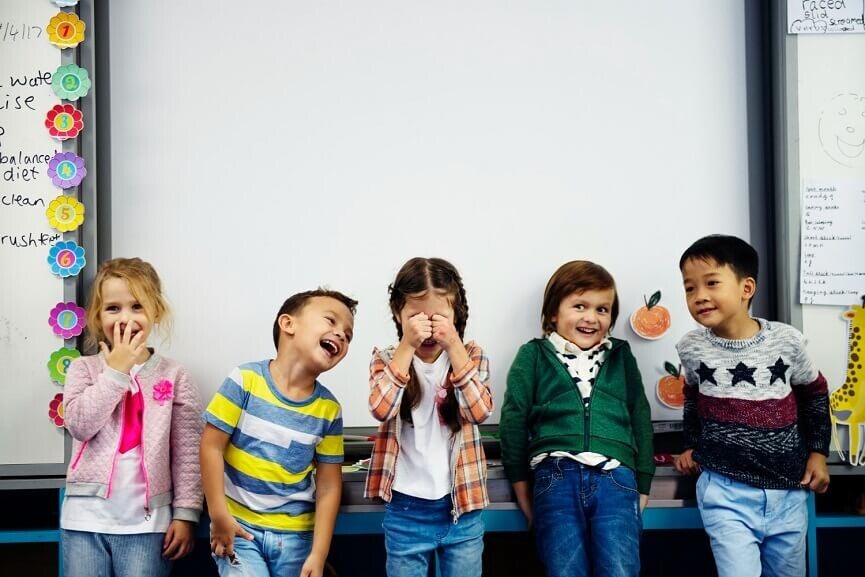
School life plays a key role in shaping future behaviour by influencing social development, discipline, and attitudes towards achievement. Positive school environments help children develop teamwork, communication skills, and confidence. Peer relationships formed at school can affect behaviour, encouraging either positive social norms or negative behaviours such as bullying or disengagement.
Additionally, educational experiences impact future aspirations and behaviour patterns. Children who succeed academically are more likely to develop motivation and a strong work ethic, while those who struggle may develop low self-esteem or behavioural issues. Therefore, school life contributes significantly to shaping long-term behaviour and opportunities.

Physical and emotional development
Physical and emotional development during childhood forms the foundation for future behaviour. Early emotional experiences, especially attachment to caregivers, influence how individuals regulate emotions and form relationships later in life. Positive early development leads to confidence and resilience, while negative experiences can result in anxiety or behavioural issues.
Additionally, physical development and brain growth in early years are crucial, as this period is highly sensitive to environmental influences. Experiences in childhood lay the foundation for future learning and behaviour, meaning early support and stimulation are essential for positive outcomes . Therefore, both physical and emotional development during upbringing strongly shape behaviour in later life.
Family types and dynamics
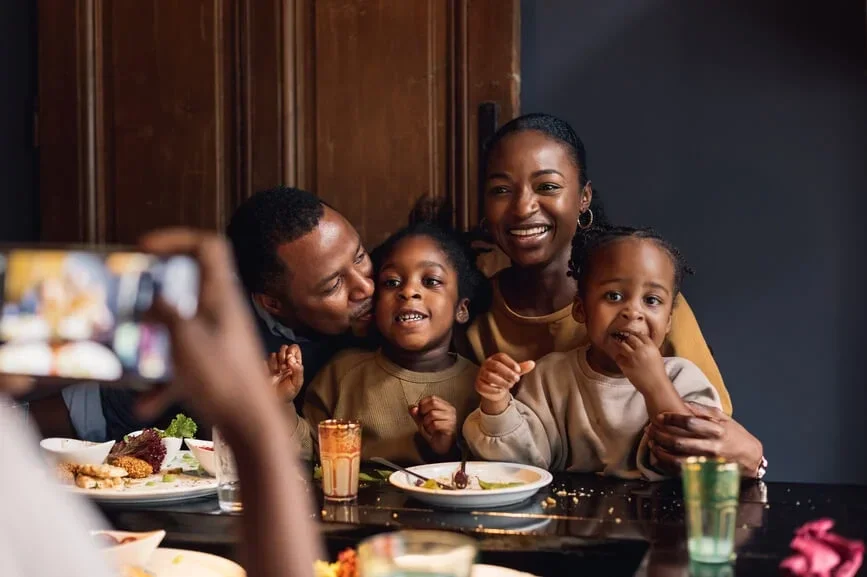
Family dynamics, such as relationships between parents and the overall home environment, strongly influence future behaviour. Supportive and stable family structures provide emotional security, helping children develop confidence and positive social behaviours. In contrast, high conflict or unstable family environments can lead to stress, anxiety, and behavioural problems.
Different family types (e.g. single-parent, extended, nuclear) also impact development depending on levels of support and resources. For example, strong extended family support can improve outcomes, while lack of support may increase stress. Ultimately, it is not the type of family but the quality of relationships within it that most affects future behaviour.
Create Your Own Website With Webador