

Family dynamics, such as relationships between parents and the overall home environment, strongly influence future behaviour. Supportive and stable family structures provide emotional security, helping children develop confidence and positive social behaviours. In contrast, high conflict or unstable family environments can lead to stress, anxiety, and behavioural problems.
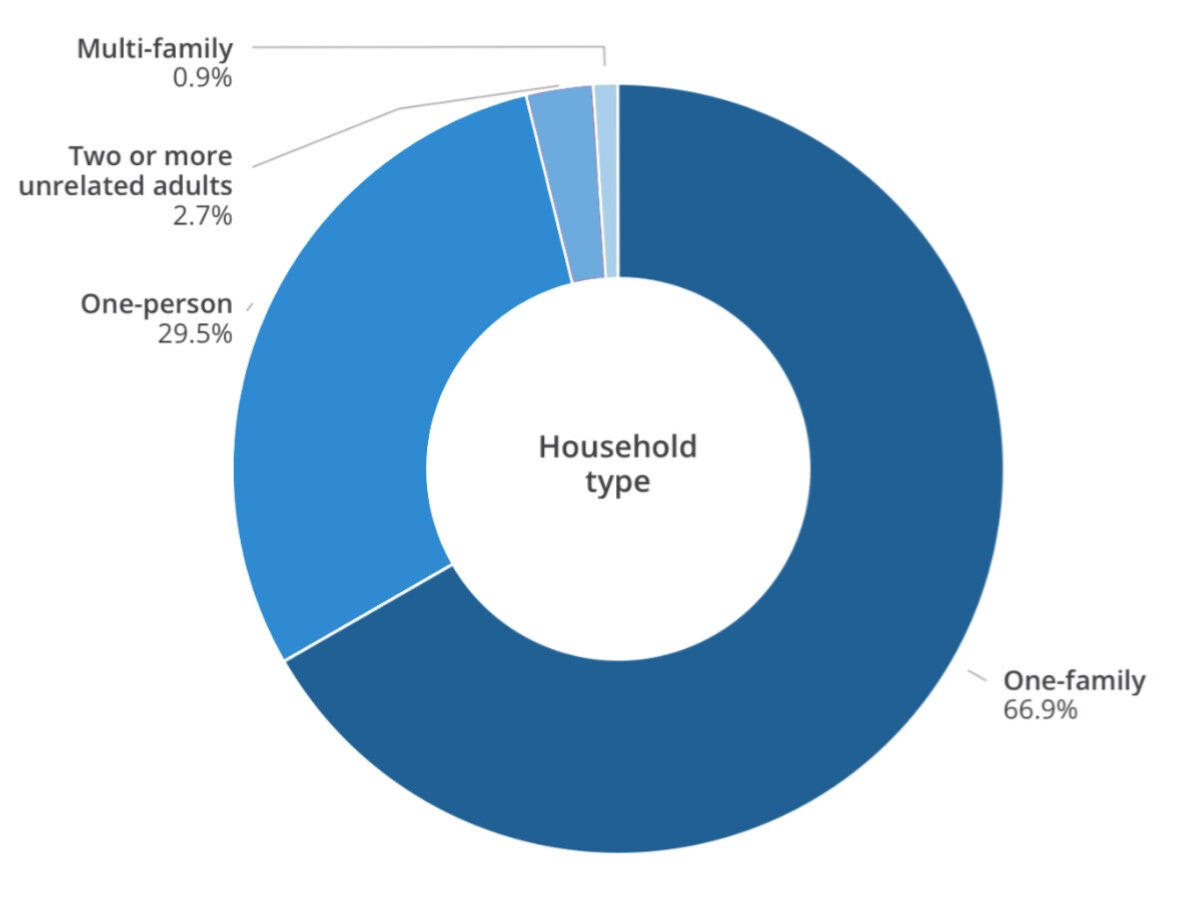
Different family types (e.g. single-parent, extended, nuclear) also impact development depending on levels of support and resources. For example, strong extended family support can improve outcomes, while lack of support may increase stress. Ultimately, it is not the type of family but the quality of relationships within it that most affects future behaviour.
Create Your Own Website With Webador